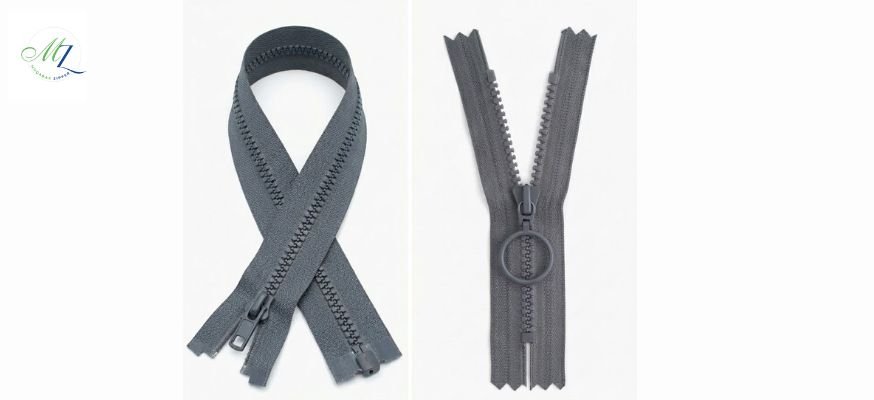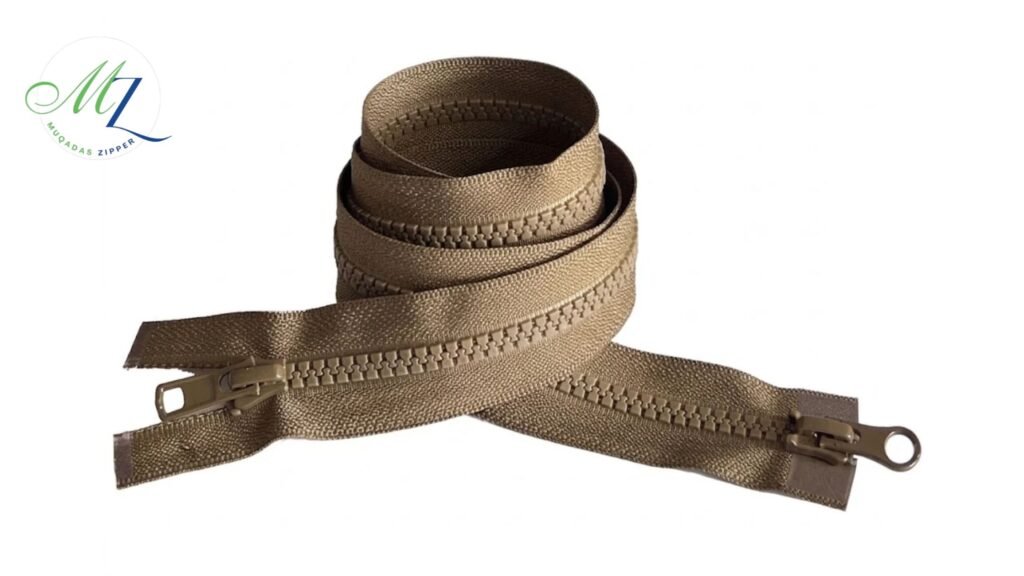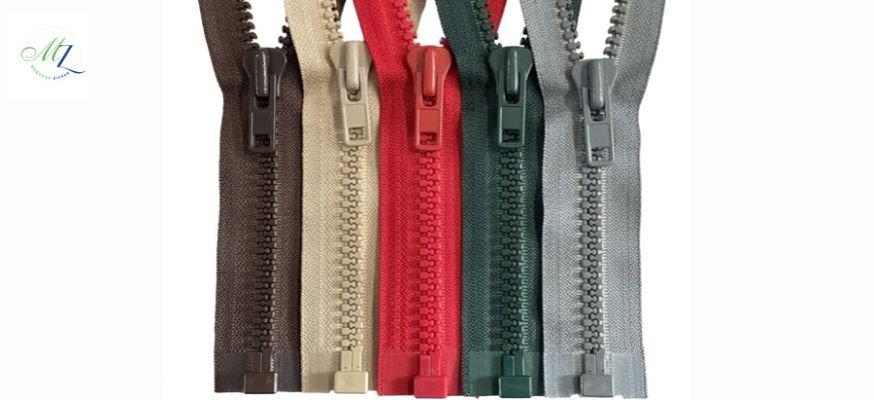
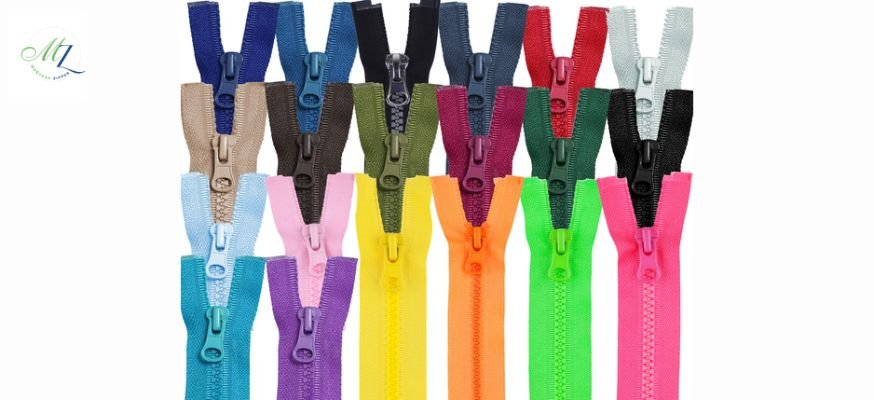
A Vislon zipper offers exceptional durability and smooth operational efficiency due to its individual injection-molded acetal resin plastic teeth fused directly onto high-tensile polyester tape. The overall lifespan of a Vislon zipper depends on critical raw material standards, tooth structure size, environmental exposure, proper laundry care routines, and precise factory assembly processes. Garment manufacturers and bulk buyers across Pakistan rely on high-grade plastic closures to guarantee that outerwear, sportswear, and industrial bags withstand rough handling without structural failure or teeth detachment.
When evaluating apparel closures for daily use, understanding structural mechanics helps businesses prevent premature closure failure and maintain brand reputation. Whether producing heavy-duty winter jackets or luggage, choosing the correct fastener specifications ensures long-term customer satisfaction and optimal product performance across demanding consumer environments.
Polymer Quality and Raw Material Specifications
The primary element dictating the wear resistance of a molded plastic closure is the quality of the raw polymer resin injected into the molding machinery. High-density acetal resin or polyoxymethylene provides optimal structural rigidity, preventing individual teeth from bending, cracking, or softening under daily physical friction. Using low-grade recycled plastics leads to brittle teeth that snap under moderate pull force or deform during routine pressing and ironing.
Beyond the teeth, the strength of the underlying fabric tape determines whether the closure remains securely attached to the garment. High-grade polyester woven tapes resist stretching, fraying, and chemical degradation from domestic washing agents. When apparel production lines source components through Muqadas Zipper, they ensure access to high-tensile material compositions designed for rigorous wear and tear.
| Quality Criteria | High-Grade Acetal Resin | Low-Grade Recycled Plastic |
| Structural Integrity | Retains shape under heavy stress | Easily deforms or cracks under load |
| UV & Weather Resilience | Highly resistant to sunlight degradation | Quickly becomes brittle and discolored |
| Friction Resistance | Smooth slider movement with low wear | High internal friction causing jams |
| Chemical Resistance | Holds up well against detergents | Degrades quickly with repeated washes |
Gauge Size and Tooth Architecture
The physical dimensions of molded teeth directly correlate with their capability to handle lateral strain and cross-wise pulling forces. Gauge sizes range from smaller teeth designed for lightweight garments to larger, heavy-duty configurations engineered for industrial gear, tactical jackets, and heavy luggage.
- #3 and #4 Gauges: Ideal for lightweight activewear, pocket closures, and inner linings where minimal bulk is required.
- #5 Gauges: The standard industry choice for casual jackets, hoodies, tracksuits, and school bags.
- #8 and #10 Gauges: Heavy-duty options designed for extreme weather parkas, marine equipment, workwear, and travel gear.
Selecting an undersized gauge for a heavy-duty application leads to teeth misalignment, known as track separation, under moderate lateral pressure. Aligning product design with the appropriate tooth size preserves the closure integrity over thousands of open-and-close cycles.
Slider Mechanism and Metal Plating Standards
While the teeth are made of molded plastic, the slider running along the track is typically constructed from die-cast zinc alloy or heavy-duty plastic. A worn or misaligned slider fails to mesh the teeth together correctly, causing the zipper track to pop open behind the pull tab.
High-quality sliders feature durable electroplating or painted finishes that resist corrosion, chipping, and mechanical wear. For specialized requirements, exploring custom options across a comprehensive product catalog helps designers match slider weight, locking mechanisms, and pull-tab finishes directly to specific garment applications.
To learn more about industrial quality control processes and high-volume manufacturing capabilities, you can visit our about us section to see how production precision drives product longevity.
Environmental and Chemical Exposure Factors
Environmental factors significantly affect plastic material characteristics over extended periods of outdoor or industrial use. Sunlight exposure, extreme temperature shifts, and humidity levels all interact with synthetic polymers in distinct ways.
- Ultraviolet Radiation: Prolonged exposure to harsh sunlight can break down un-stabilized plastic molecules, causing colors to fade and teeth to turn brittle.
- Temperature Fluctuations: Sub-zero temperatures increase plastic stiffness, whereas extreme ambient heat can soften poor-quality resins.
- Chemical Exposure: Harsh bleach treatments, industrial solvents, or high-salt marine air can corrode metal sliders and weaken tape fibers.
High-quality molded plastic closures incorporate UV-stabilizing additives directly into the resin mixture during manufacturing, ensuring the teeth maintain their flexible strength even in harsh outdoor environments.
Maintenance Practices and Laundry Care Routines
Daily handling habits and garment cleaning routines directly influence how long a plastic closure performs smoothly. Rough tugging, pulling at awkward angles, or forcing a slider past trapped pocket fabric places severe torque on the top stops and bottom insertion pins.
Before placing garments into commercial or domestic washing machines, users should always zip closures completely to the top. Exposed teeth tumbling inside a washing drum can catch on heavy fabrics, causing mechanical damage or misalignment.
For technical specifications, custom color matching, or specific tooth mold measurements, viewing the dedicated vislon zipper technical layout allows product developers to select components that match precise laundering and usage stress requirements.
Manufacturing Precision and Alignment Controls
The durability of a completed garment closure depends heavily on factory manufacturing precision. Proper alignment during the injection molding phase ensures that every tooth is spaced evenly along the fabric tape.
If tooth spacing varies even by a fraction of a millimeter, the slider experiences elevated internal resistance during operation. Over time, this recurring friction wears down the interior guide channels of the slider, leading to loose locking mechanics and track failure.
Working directly with an established zipper manufacturer ensures that automated tension controls and optical inspection systems eliminate spacing errors before bulk shipments leave the factory floor.
Stress Distribution and Fabric Compatibility
Integrating closures into apparel requires careful consideration of fabric weight and seam construction. Sewing a heavy plastic closure onto ultra-thin, delicate fabric creates uneven tension points along the stitch line, causing the fabric to pucker and stress the zipper tape.
Conversely, stitching lightweight closures into heavy canvas or denim results in the closure bearing structural load it was never engineered to support. Garment designers must calculate total fabric pull forces to select closure tapes that handle real-world wear.
To order sample swatches or consult with technical engineers regarding fabric compatibility, reaching out through our contact us portal provides direct access to specialist guidance tailored to your apparel production runs.
Comparison of Zipper Types for Garment Applications
Selecting the correct fastener type requires balancing strength, weight, flexibility, and rust resistance for the intended end product.
| Feature / Property | Vislon Zipper | Metal Zipper | Nylon Coil Zipper |
| Material | Injection-molded resin | Brass, aluminum, nickel | Spiral nylon monofilament |
| Rust Resistance | 100% Rust-proof | Susceptible to rust | 100% Rust-proof |
| Weight | Lightweight | Heavy | Ultra-lightweight |
| Flexibility | Moderate | Rigid | High flexibility |
| Best Application | Outerwear, Marine, Bags | Denim, Leather, Boots | Sportswear, Activewear |
Sourcing Strategies for Commercial Garment Production
Sourcing high-performing closures requires partnering with suppliers that offer strict quality assurance, high-capacity production facilities, and reliable batch-to-batch consistency. Apparel exporters face strict international compliance requirements, making uniform testing protocols essential across all production lots.
Working with an established bulk zipper supplier allows manufacturers to secure factory-direct pricing while maintaining stringent standards for lateral strength, color fastness, and pull-tab torque resistance.
By partnering with a reliable wholesale zipper supplier, local apparel factories can streamline supply chains, reduce import lead times, and maintain flexible order volumes tailored to seasonal demands.
Factories looking for direct trade assistance, fast order processing, or immediate quotes can call +92-309-0998822 to speak with sales representatives handling domestic and export orders.
Frequently Asked Questions
What makes molded plastic teeth different from metal or nylon coil teeth?
Molded plastic teeth are individually formed and melted directly onto the fabric tape using synthetic resin. This creates an extremely strong bond, making them completely rust-proof and lighter in weight than traditional metal alternatives while being visually bolder than thin nylon coil spirals.
How can you restore smooth operation to a sticking plastic closure?
If a slider feels sticky or hard to pull along molded teeth, clean the track using a soft brush and warm soapy water to clear out dirt or debris. Once dry, applying a small amount of beeswax or specialized silicone spray along the track will restore effortless sliding movement.
Why do plastic zipper teeth sometimes pull apart behind the slider?
Track separation usually occurs when the internal walls of the slider become worn or bent outward from long-term force, preventing the teeth from interlocking properly. In other cases, using a small gauge size on a heavy garment causes lateral stress that forces the teeth apart.
Are plastic molded closures suitable for winter coats and outdoor gear?
Yes, high-grade plastic closures are ideally suited for winter parkas, ski jackets, and outdoor rainwear. Because they are completely weather-proof and do not rust when exposed to moisture or snow, they deliver long-lasting performance in wet and cold conditions.
What causes plastic zipper teeth to crack or snap off over time?
Teeth typically break due to low-quality recycled resin, severe impact, extreme cold without proper UV and cold-impact additives, or exposure to excessive ironing heat. Sourcing products made from premium raw materials ensures the teeth remain impact-resistant over time.
Conclusion
Achieving exceptional long-term performance from a Vislon zipper requires balancing high-grade raw material selection, proper gauge sizing, precise manufacturing tolerances, and mindful daily laundry care. By eliminating structural bottlenecks during garment assembly and choosing reliable factory partners like Muqadas Zipper, apparel manufacturers in Pakistan can consistently deliver high-quality, durable garments that satisfy both local consumers and export market standards.