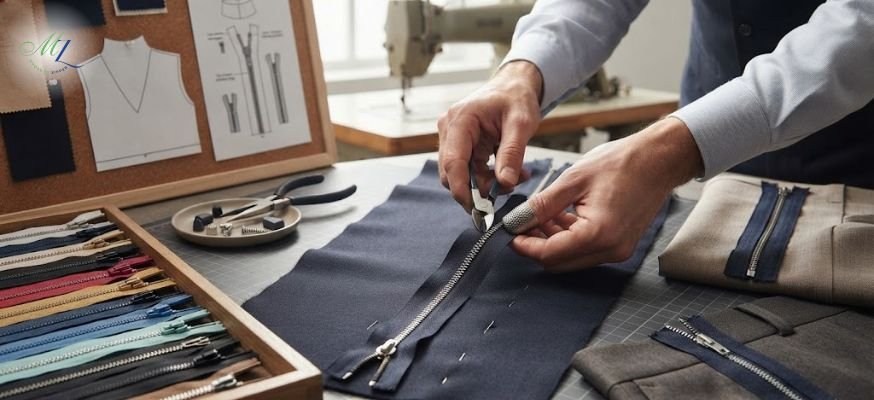
Choosing the right fastener can make or break the structural integrity and aesthetic appeal of a clothing line, especially when working as a custom zipper manufacturer catering to the bustling textile hubs of Pakistan. From sleek denim jeans to heavy-duty industrial workwear, getting the sizing right ensures that garments function smoothly and withstand everyday wear and tear. Achieving precise measurements is vital for apparel factories, wholesalers, and fashion brands looking to maintain consistent quality across large-scale production batches. This guide explores the intricate details of tailoring fastener lengths for various clothing styles to elevate your manufacturing standards.
Why Precision Matters for Every Garment Style
When constructing high-end apparel, fasteners are far more than mere functional components; they are critical design elements that dictate garment comfort and fit. Different fabric weights and tailoring designs require exact measurements to prevent bunching, fabric puckering, or premature slider failure. Whether you are producing export-quality jackets or local school uniforms, partnering with an experienced leadership team ensures that every single batch adheres to strict industry benchmarks.
Precise sizing eliminates production delays on the factory floor and reduces material wastage during assembly. Key reasons to focus on meticulous sizing include:
- Enhanced garment durability and structural alignment
- Smooth, frictionless slider movement along the tape
- Flawless aesthetic integration with the garment design
- Minimized risk of zipper tooth separation or bottom stop failure
Standard Sizing Rules for Different Garment Types
Every clothing category demands a unique approach to fastener integration. For instance, trousers and skirts utilize shorter, concealed fasteners, whereas winter coats and heavy jackets require long-separated options. Understanding these nuances helps designers and production managers specify exact dimensions before placing bulk factory orders.
Trousers, Skirts, and Lightweight Bottoms
For tailored trousers, casual trousers, and fitted skirts, closed-end fasteners are the industry standard. These items typically require shorter lengths ranging from 4 inches to 9 inches, depending on the rise of the waistband and the placement of the fly or side seam. Using a specialized zipper cutting service allows manufacturers to trim bulk continuous chains precisely to match custom pattern specifications.
Jackets, Hoodies, and Outerwear
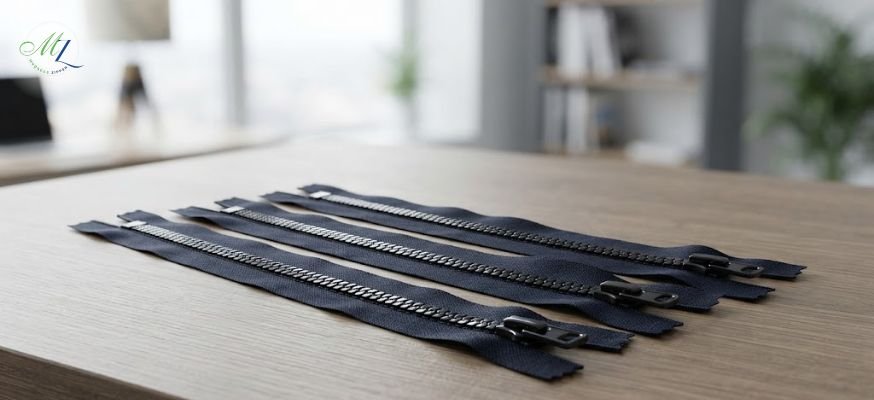
Outerwear pieces require open-end fasteners that separate completely at the bottom to allow the garment to open fully. Standard lengths for jackets range from 20 inches to 30 inches or more, varying by children’s, men’s, and women’s sizing charts. Selecting durable teeth materials like metal or molded plastic ensures that these heavy-use items endure frequent pulling without breaking.
Understanding Open End Versus Closed End Options
Selecting between different fastener configurations depends entirely on how the garment opens and closes during daily use. Manufacturers must analyze the stress points of the apparel design to choose the correct type.
| Fastener Type | Common Application | Opening Mechanism | Recommended Length Range |
| Closed End | Trousers, pockets, skirts | Stays joined at the bottom | 4 inches to 12 inches |
| Open End | Jackets, coats, cardigans | Separates completely at base | 18 inches to 32 inches |
| Invisible | Formal dresses, skirts | Concealed behind fabric folds | 7 inches to 22 inches |
Tailoring Fasteners for Export and Local Markets
The Pakistani textile sector serves both domestic retail buyers and large international fashion brands. Meeting diverse regional specifications requires flexible manufacturing capabilities and a strong commitment to quality control. By utilizing premium raw materials and modern production techniques, local brands can deliver exceptional apparel that competes globally. You can easily discuss your specific bulk sizing requirements by reaching out directly at +92-309-0998822 to speak with our technical team.
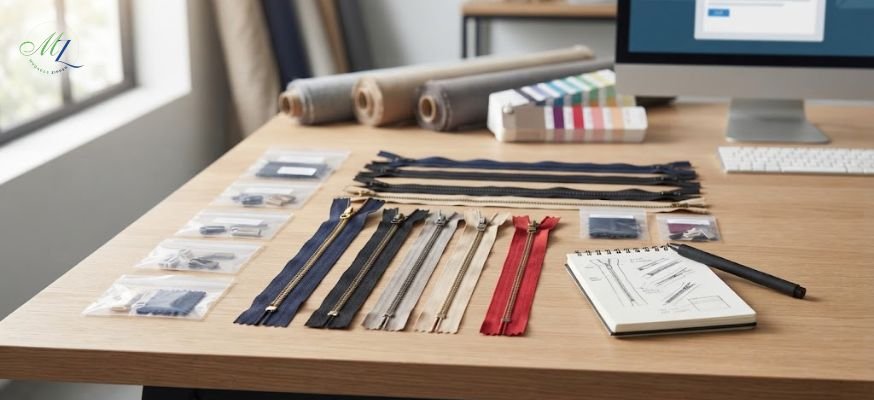
Fastener customization goes beyond simple length adjustments. Brands can select from various slider types, custom puller branding, and tape colors to match unique seasonal palettes. This level of detail transforms a standard clothing item into a branded masterpiece that resonates with end consumers.
Frequently Asked Questions
What is the standard length for a trouser fly fastener?
Most standard trousers and jeans utilize closed-end fasteners ranging from 4 inches to 7 inches, depending on the waistband style and garment rise.
How do I measure a fastener correctly for production?
A fastener should be measured from the top stop to the bottom stop for closed-end types, or from the retainer box to the pin insertion point for open-end varieties.
Can I order custom lengths for bulk manufacturing?
Yes, industrial buyers can order precise custom lengths tailored to exact garment patterns to eliminate on-site trimming and reduce waste.
What materials are best for heavy-duty winter jackets?
Metal and heavy plastic molded options are ideal for winter outerwear due to their superior tensile strength and resistance to cold weather stress.
Why is slider selection important in custom sizing?
The slider must match the gauge and length of the fastener teeth to ensure smooth sliding performance and prevent jamming during frequent use.
Conclusion
Mastering the art of fastener customization is essential for producing professional, high-performing apparel that satisfies modern consumers. By paying close attention to specifications, selecting the right materials, and partnering with a trusted custom zipper manufacturer, your brand can achieve seamless production runs and superior garment quality. Thoughtful sizing choices ultimately elevate your entire clothing line, ensuring long-term success in both local and international markets.